
- Company overview The heart of SMC Vision & Philsophy Partnership Certifications Company culture
- Our service Design and Engineering Maintenance and Service Examine Production Line Upgrade and Transformation Storage and Logistics Processing, Trading and Distributor
- Management Our history Global responsibility Info Center
- Procurement center Internship
- Metal Steel Products Stainless Steel Products Aluminum Products Copper Products Galvanized Steel and PPGI Special Alloy Building Material
- Containers ISO Standard Container Equipment Container Storage Container Tank Container Container Fittings Container Trailer Refrigerated/Reefer Container Offshore Container Container House
- Gas Cylinder & Fire Extinguisher Cryogenic Liquid Cylinder Oxygen Gas Cylinder Storage Tank CNG Gas Cylinder LPG Gas Cylinder Hydrogen Gas Cylinder Nitrogen Gas Cylinder Industry Gas Cylinder Fire Extinguisher
- Metal Machinery Motor Forming Machine Cutting Machine Processing Machine Bending Machine Block Machine Spare Parts Other Machinery
- Mechanical Products Conveyor Belt Miscellany Mooring Equipment Laser Equipment Bearing Marine Equipment Vehicle Industry Pressure Vessel
- Electrical System Transformer Production Line Lighting System Power Distribution Automation Electrical Cable Solar Power System Electric Protection System
- Project Plastic Pipes and Pipe Fittings Fiberglass Reinforced Plastic Pontoon System
Nickel Coated Piano Wire


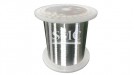
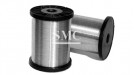
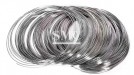
Steel grade: High Carbon Steel (Carbon content: 0.80-0.85%)
Surface coating: electroplated pure nickel layer (Ni ≥ 99.5%)
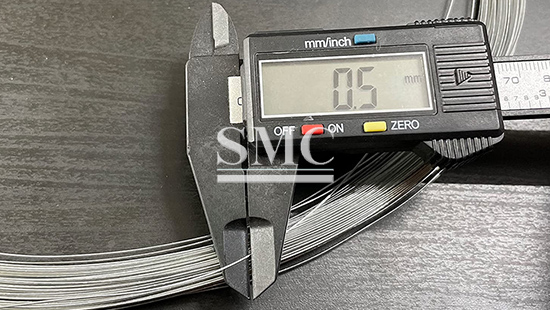
Diameter: 0.05mm to 6.0mm or customized
Tolerance: Precision grade ± 0.005mm; ordinary industrial grade ± 0.01mm.
Shanghai Metal Corporation is a leading Nickel Coated Piano Wire manufacturer and supplier.
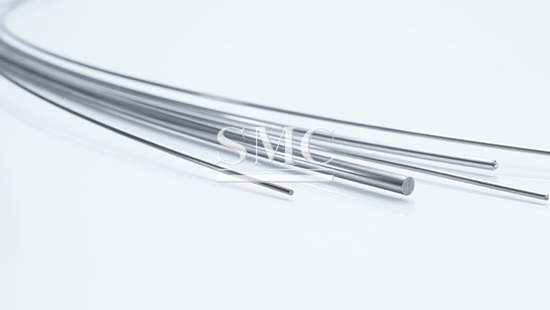
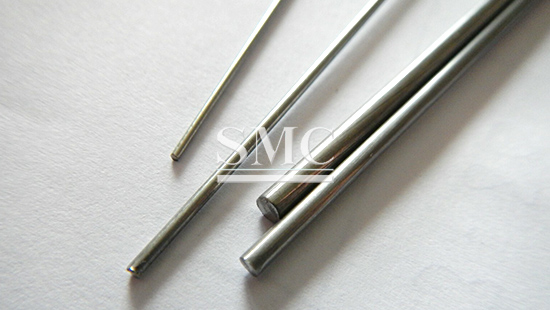
Nickel Coated Piano Wire, also named nickel-plated music wire, is electroplated nickel coated high-carbon steel piano wire based on SWP-A / SWP-B substrate complying with JIS G3522 or ASTM A228. Its base material receives patenting heat treatment and multi-pass cold drawing to obtain high tensile strength and fatigue resistance, then a thin pure nickel layer of 3–8μm is deposited on surface through electroplating. It is mainly fabricated into miniature precision springs for consumer electronics, battery contact terminals, remote controls, instrument sensors and small mechanical fasteners. Bare piano wire is prone to rust under humid conditions and has poor solderability, while the nickel plating solves these two limitations: it adds anti-rust capability for indoor mildly humid environments and enables spot welding or soldering during spring assembly. The nickel coating also maintains stable electrical contact and lowers galvanic corrosion risk when matching nickel-plated battery shells. The wire diameter covers 0.08mm to 2.30mm, supplied on plastic or metal spools. It keeps the original mechanical elasticity and cyclic fatigue performance of piano wire, without changing spring forming characteristics. It is not recommended for strong chemical corrosion environments because the thin nickel layer may expose carbon steel substrate after heavy abrasion.
If you want to know more about our Enamelled Copper Wire , PTFE Wire or Nickel Coated Piano Wire price please feel free to contact us, we will reply you within 24 hours.





|
Aspect |
Nickel Plated Piano Wire |
Tinned Piano Wire |
Bright Piano Wire |
|
Surface |
Bright silver, smooth Ni plating |
Satin tin coating, solderable |
Polished bare steel, no coating |
|
Tensile Strength |
2000–3000 MPa, base strength retained |
2000–3000 MPa, base strength retained |
2000–3200 MPa, highest |
|
Rust Resistance |
Moderate |
Good |
Poor, easy to rust |
|
Key Features |
Wear-resistant, decorative |
Solderable, humid environment |
Low cost, max mechanical strength |
|
|
|
|
|
|
Note: Strength depends on diameter and grade (ASTM A228 / JIS G3522). |
|||
Standard Packing:
Nickel plated piano wire is usually packaged with an I-shaped wheel (plastic/iron wire spool).
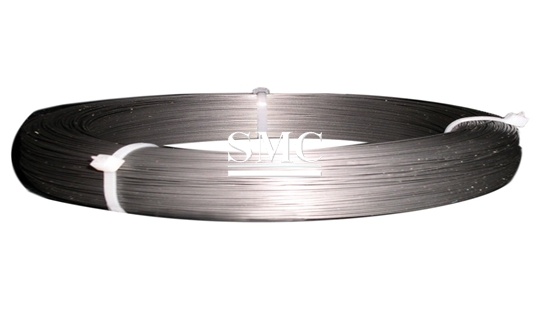
Small coil: Weight per axis: 5-50kg; suitable for small wire diameters of 0.08-2.3mm, easy for customers to unwind and process springs.
Coil: large wire diameter, bundled into coils, each coil weighing 50-200kg;
Outer packaging:
Inside: wrapped in moisture-proof PE film to prevent moisture and rust during transportation;
External: cardboard box/wooden crate/wooden pallet
Identification: Each spool is labeled with the product name, brand, wire diameter, coating thickness, net weight, batch number, and place of origin.
Shipping:
We support FCL and LCL sea freight, air freight, and express delivery, depending on order quantity and destination. Available trade terms include EXW, FOB, CIF, and others upon request. Shipping costs are calculated based on cargo volume, gross weight, destination, and selected transportation method.
Lead Time:
Sample: 5 working days
Standard orders:25~30 working days


Q1: What are the substrate and coating material of nickel coated piano wire?
A: The substrate is high carbon piano wire, grade SWP‑A / SWP‑B to JIS G3522 or ASTM A228. The surface coating is electroplated pure nickel with typical thickness of 3~8μm. Nickel is only surface protection, not nickel alloy.
Q2: What applications does nickel coated piano wire serve?
A: It is mainly manufactured into miniature precision springs, including battery contact springs, remote control shrapnel, instrument sensor elastic parts, small mechanical buckles and fasteners. Bare piano wire is preferred for musical instrument strings instead.
Q3: What is the regular supply form and packing?
A: Available diameter: 0.08mm–2.30mm, normally wound on plastic or metal spools. Outer package is carton, pallet for full container shipment with inner PE moisture-proof film.
Q4: Will nickel electroplating affect tensile strength and fatigue performance?
A: Proper electroplating will not change tensile strength and fatigue resistance of substrate. Only excessive pickling and poor hydrogen embrittlement control reduce fatigue life, so dehydrogenation process is required.
Q5: What assembly problems does nickel coating solve? Are there usage limits?
A: Nickel coating improves rust resistance under mild humid environment and solderability, supporting spot soldering. It lowers galvanic corrosion risk when assembled with nickel-plated battery shells. It cannot work in heavy wear or strong chemical corrosion environments, as thin nickel layer may expose carbon steel base.
Q6: How to test coating adhesion? What defects occur with poor adhesion?
A: Coating adhesion is tested by bending test; nickel layer shall not peel after repeated bending. Poor adhesion causes nickel layer cracking and peeling during spring forming, losing anti-rust and soldering functions. Peeled nickel scraps may trigger electronic short circuit and poor contact.




here
for
price
