
- Company overview The heart of SMC Vision & Philsophy Partnership Certifications Company culture
- Our service Design and Engineering Maintenance and Service Examine Production Line Upgrade and Transformation Storage and Logistics Processing, Trading and Distributor
- Management Our history Global responsibility Info Center
- Procurement center Internship
- Metal Steel Products Stainless Steel Products Aluminum Products Copper Products Galvanized Steel and PPGI Special Alloy Building Material
- Containers ISO Standard Container Equipment Container Storage Container Tank Container Container Fittings Container Trailer Refrigerated/Reefer Container Offshore Container Container House
- Gas Cylinder & Fire Extinguisher Cryogenic Liquid Cylinder Oxygen Gas Cylinder Storage Tank CNG Gas Cylinder LPG Gas Cylinder Hydrogen Gas Cylinder Nitrogen Gas Cylinder Industry Gas Cylinder Fire Extinguisher
- Metal Machinery Motor Forming Machine Cutting Machine Processing Machine Bending Machine Block Machine Spare Parts Other Machinery
- Mechanical Products Conveyor Belt Miscellany Mooring Equipment Laser Equipment Bearing Marine Equipment Vehicle Industry Pressure Vessel
- Electrical System Transformer Production Line Lighting System Power Distribution Automation Electrical Cable Solar Power System Electric Protection System
- Project Plastic Pipes and Pipe Fittings Fiberglass Reinforced Plastic Pontoon System
Silicon Steel Rod


Silicon Content: 0.5% - 6.5%
Standard: ASTM A876, JIS C2552, IEC 60404-8-4
Diameter Range: 5mm - 100mm
Grade: DWSI3
Shanghai Metal Corporation is a leading Silicon Steel Rod manufacturer and supplier.
Silicon steel rod, also known as electrical steel bar, is a specialized soft magnetic alloy engineered with a silicon content typically ranging from 0.5% to 6.5%. The addition of silicon significantly increases the electrical resistivity of the iron, which effectively reduces eddy current losses and hysteresis loss under alternating magnetic fields. This material is the foundational component for the cores of various static electromagnetic devices, solving the critical problem of energy loss and heat generation in electrical equipment. Its superior magnetic permeability allows for more efficient energy transfer, making it indispensable in the power generation and distribution industries.
If you want to know more about our Steel products or Silicon Steel Rod price please feel free to contact us, we will reply you within 24 hours.
-

1. Material: Fe-Si alloy; higher Si lowers core loss but increases brittleness.
2. Grain Structure: NGO gives uniform magnetic properties in all directions for rotating machines; GO gives superior rolling-direction properties for transformers.
3. Diameter Tolerance: Precision-ground rods can reach h9/h11 for accurate rotor shaft/stator core machining.
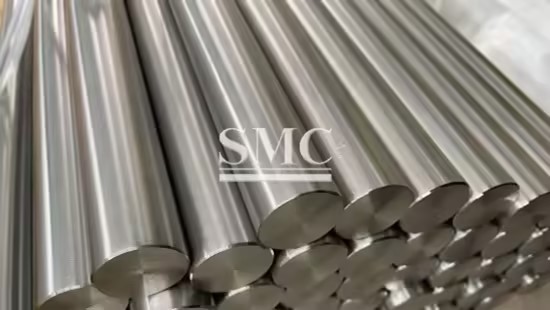
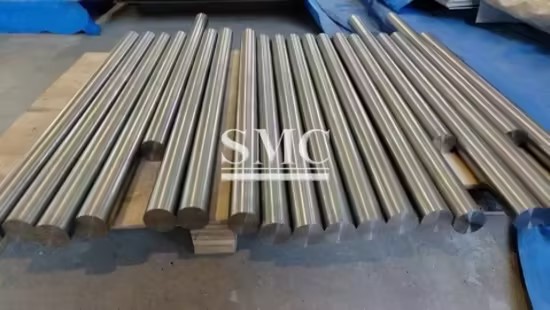
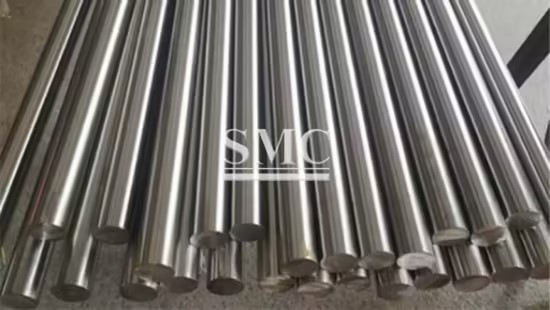
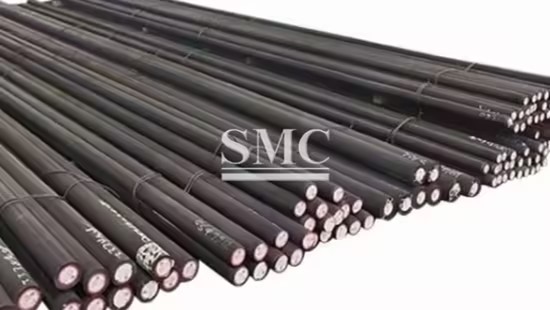
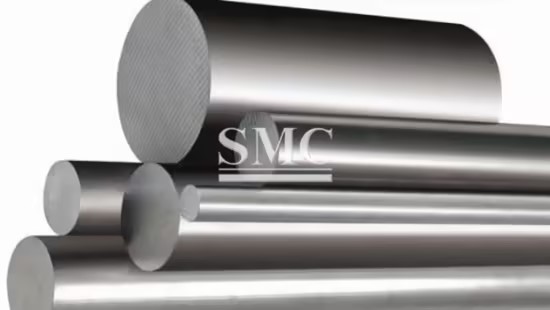
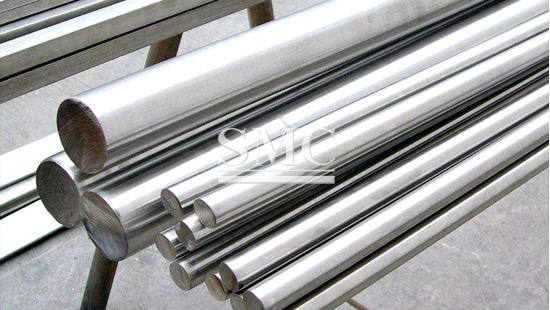
4. Surface: Hot-rolled (black scale), pickled, or cold-drawn/machined for a smooth, ready-to-process finish.
5. Magnetic Performance: High B50 and low specific total loss (W/kg) at 50/60 Hz.
-

-
-

1. Low Core Loss
High silicon content reduces energy loss and heat during operation. This improves the efficiency of electrical devices and lowers long-term energy costs.
2. High Magnetic Permeability
The material easily magnetizes and demagnetizes, allowing for efficient energy transfer. This enables the creation of smaller, lighter, and more powerful motors and transformers.
3. Excellent Magnetic Stability
Silicon steel maintains its magnetic properties over time and under heat. This ensures the reliable, long-term performance of electrical equipment and reduces maintenance needs.
4. Good Punchability (NGO Grades)
Non-oriented grades are ductile enough to be punched into complex shapes without cracking. This is ideal for the mass production of motor and generator cores.
-

1. Power Transformer Cores
Used to make the laminated cores in power and distribution transformers. Grain-Oriented (GO) silicon steel is recommended for its superior efficiency, which minimizes energy loss.
2. Electric Motor Rotors and Stators
Essential for the cores of industrial, appliance, and automotive motors. Non-Oriented (NGO) silicon steel is the standard choice, providing consistent performance in all directions.
-

Theoretical weight scale of Silicon Steel Rod:
|
Round Steel Bar Diameter(mm) |
Theoretical Weight (kg/m) |
Round Steel Bar Diameter(mm) |
Theoretical Weight (kg/m) |
|
6 |
0.26 |
20 |
2.47 |
|
7 |
0.302 |
22 |
2.98 |
|
8 |
0.395 |
25 |
3.85 |
|
9 |
0.499 |
28 |
4.83 |
|
10 |
0.617 |
30 |
5.55 |
|
12 |
0.88 |
32 |
6.31 |
|
14 |
1.21 |
40 |
9.86 |
|
16 |
1.58 |
45 |
12.5 |
|
18 |
2.00 |
50 |
15.40 |
Standard Packaging
To prevent rust and physical damage during transit, Silicon Steel Rods are bundled with high-tensile steel straps. Each bundle is clearly tagged with heat numbers and specifications. For export, bundles are placed on fumigated wooden pallets and wrapped in heavy-duty waterproof plastic film. For machined or pickled rods requiring higher protection, individual rods are wrapped in VCI (Volatile Corrosion Inhibitor) paper before bundling.
Shipping
We support FCL (Full Container Load) and LCL (Less than Container Load) sea freight, as well as bulk vessel shipping for large tonnage orders. Trade terms include EXW, FOB, and CIF. Other terms may be available upon request. Shipping costs are calculated based on gross weight, cargo volume, destination port, and the chosen transportation method.
Lead Time
Samples: 7–10 working days
Standard Stock: 15–20 working days
Custom Smelting: 30–45 working days


Q: What is your minimum order quantity for free‑cutting steel bars?
A: Our MOQ varies according to steel grade, diameter dimension and production status. For common stock‑available grades such as 1215, 11SMn30, SUM22L within regular diameter range, the standard minimum order quantity is 1 metric ton. For special sizes or less‑popular grades which require fresh melting and rolling, higher MOQ will apply. We also accept small trial orders for customer evaluation; please contact our sales team to negotiate flexible order volumes for your project.
Q: What is your production and delivery lead‑time?
A: For standard grades and dimensions with raw material ready in warehouse, production lead‑time is 15‑25 working days after receiving your formal order. If you require non‑standard diameters, special surface finishes or custom heat‑treatment status, extra processing procedures will extend the manufacturing cycle. Our sales will confirm the exact schedule with you prior to order confirmation, to avoid unexpected delays for your downstream production plan.
Q: Can you provide material test documents for each shipment?
A: Yes. Mill Test Certificate (MTC) will be provided for every batch of free‑cutting steel bars. The certificate covers complete chemical composition analysis, key mechanical property test results and heat number traceability information. These documents support your incoming material inspection, quality archive management, as well as compliance checking for export projects.
Q: What is the practical difference between grade 1215 and 11SMn30 free‑cutting steel?
A: Both are well‑known lead‑free free‑cutting steel grades widely used for precision turned parts. 1215 is an ASTM standard grade with relatively higher sulfur content, delivering outstanding machinability for high‑speed mass turning, drilling and tapping; it is preferred when machining efficiency is the top priority. 11SMn30 follows EN standard, featuring slightly lower sulfur content. Its ductility and impact performance are better compared with 1215, making it more suitable for components which involve slight bending, staking or assembling deformation. You may select the grade based on your actual machining process and final part service condition.
Q: Is cold‑drawn free‑cutting steel bar suitable for high‑strength load‑bearing components?
A: Generally it is not recommended for heavy‑load bearing parts. Free‑cutting steel is alloyed with elevated sulfur content to form lubricating inclusions and improve cutting performance. However, these sulfur‑based inclusions will reduce material toughness and impact resistance. This material is engineered for low‑stress precision components focusing on good machinability and surface quality. If your application requires high strength, shock resistance or heavy load capacity, please consider carbon structural steel or alloy structural steel instead.


here
for
price
