
- Company overview The heart of SMC Vision & Philsophy Partnership Certifications Company culture
- Our service Design and Engineering Maintenance and Service Examine Production Line Upgrade and Transformation Storage and Logistics Processing, Trading and Distributor
- Management Our history Global responsibility Info Center
- Procurement center Internship
- Metal Steel Products Stainless Steel Products Aluminum Products Copper Products Galvanized Steel and PPGI Special Alloy Building Material
- Containers ISO Standard Container Equipment Container Storage Container Tank Container Container Fittings Container Trailer Refrigerated/Reefer Container Offshore Container Container House
- Gas Cylinder & Fire Extinguisher Cryogenic Liquid Cylinder Oxygen Gas Cylinder Storage Tank CNG Gas Cylinder LPG Gas Cylinder Hydrogen Gas Cylinder Nitrogen Gas Cylinder Industry Gas Cylinder Fire Extinguisher
- Metal Machinery Motor Forming Machine Cutting Machine Processing Machine Bending Machine Block Machine Spare Parts Other Machinery
- Mechanical Products Conveyor Belt Miscellany Mooring Equipment Laser Equipment Bearing Marine Equipment Vehicle Industry Pressure Vessel
- Electrical System Transformer Production Line Lighting System Power Distribution Automation Electrical Cable Solar Power System Electric Protection System
- Project Plastic Pipes and Pipe Fittings Fiberglass Reinforced Plastic Pontoon System
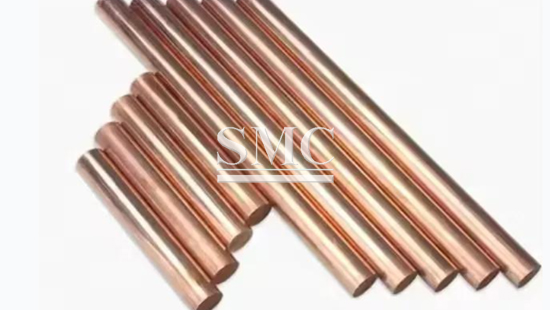
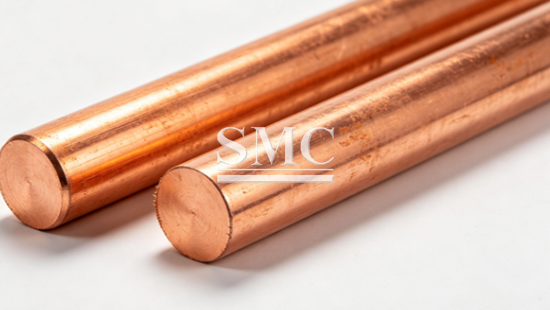
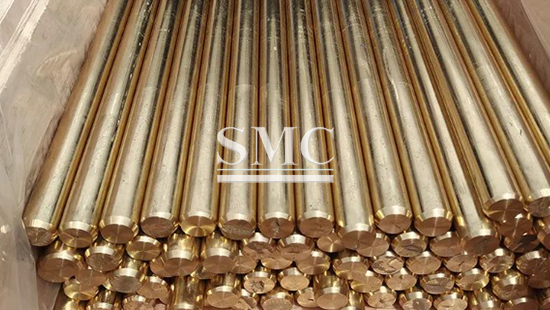
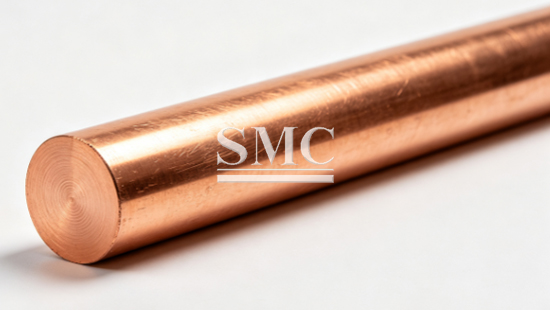
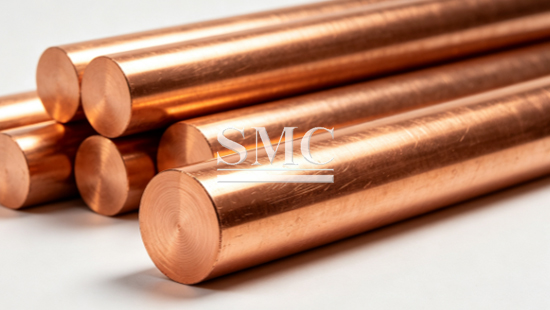
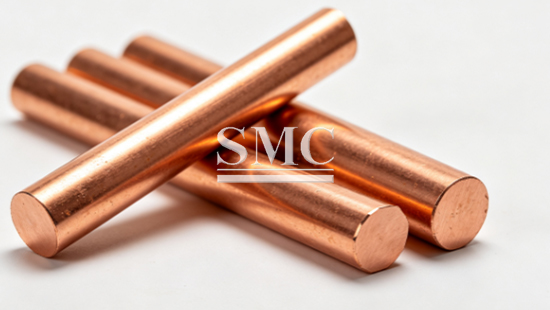
Chromium Zirconium Copper Bar

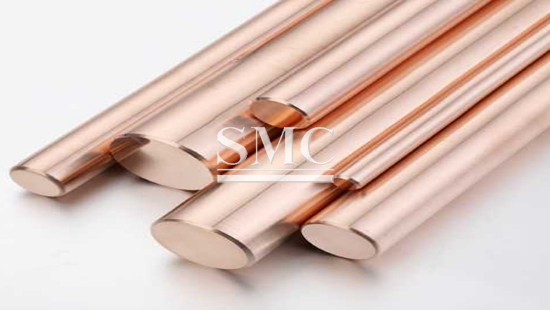
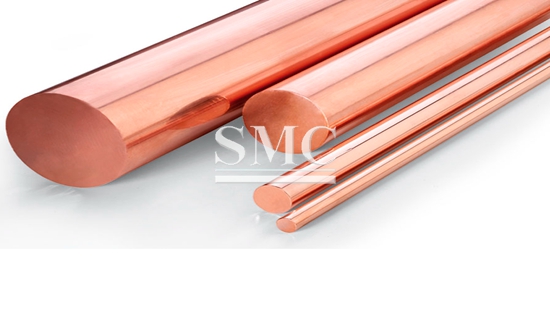
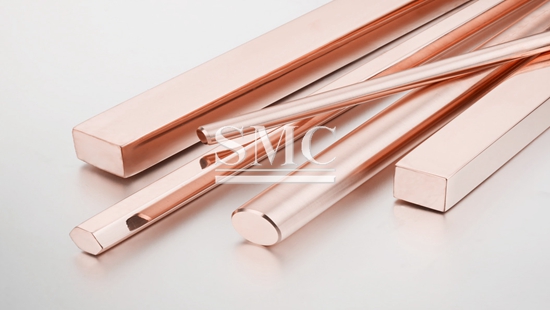


Shanghai Metal Corporation is a leading chromium zirconium copper bar manufacturer and supplier.
Chromium zirconium copper rod (CuCrZr) features high hardness, excellent wear resistance and high softening temperature. It maintains stable mechanical performance after long-time exposure under high temperature, with good crack resistance and high electrical conductivity. The material is widely used as welding electrode raw material. Our available grades include QCr1-0.15, QCr0.6-0.4, QCr0.5, C18150, C18200, C15000 and C18000. We produce chromium zirconium copper bars with cold drawing, peeling and precision grinding processes. Eddy current conductivity test and hardness inspection are carried out to guarantee consistent material properties. We also supply finished chromium zirconium copper electrode caps.
If you want to know more about our copper products or chromium zirconium copper bar price please feel free to contact us, we will reply you within 24 hours.





Technical Information of Chromium Zirconium Copper Bar
|
Parameter |
Specification |
|
Tensile Strength |
> 450 MPa |
|
Hardness |
HRB 70–86 / HB 120–165 |
|
Electrical Conductivity |
≥ 75% IACS |
|
Softening Point |
475–600 °C |
|
Wear & Heat Resistance |
High wear resistant, high heat resisting |
|
Anti-Deformation Ability |
High |
|
Service Life |
Long |

Packaging of Chromium Zirconium Copper Bar:
Standard Packaging
Cadmium board packaging needs to take into account protection, oxidation prevention, and toxicity control. Cadmium is a toxic heavy metal, and packaging damage can generate cadmium dust risks. Internally wrapped with vapor phase anti rust paper/anti rust film to isolate moisture and prevent oxidation, and sealed with PE vacuum bags when required. Insert 5-10 pieces of built-in desiccant (silicone desiccant) into the hard partition board (cardboard/aluminum plate) or customized EPE foam card slot. Use thick corrugated cardboard boxes or solid wood/plywood boxes externally, with a complete PE anti-seepage film lining (to prevent dust leakage), and fill the empty space inside the box with pearl cotton
Shipping
We support FCL and LCL sea freight, air freight and courier delivery according to order quantity and destination. Available trade terms include EXW, FOB, CIF. Other terms may be available upon request. Shipping costs are calculated based on cargo volume, gross weight, destination and selected transportation method.
Lead Time
Standard orders: 25-30 days
Customized orders: 35–40 days


Q1: What is the hardness of cadmium board and is it prone to deformation?
A: Cadmium has a very soft texture with a Mohs hardness of about 2.0, which is softer than aluminum. Thin plates are prone to bending, creasing, and scratching; Rigid support plates must be added for handling and packaging, and direct stacking and heavy pressure are not allowed.
Q2: Will cadmium plates oxidize?
A: Stable in dry air at room temperature; Under humid conditions, a light yellow/brown oxide film (cadmium oxide) will form on the surface. The oxide film will affect the surface quality, and high-purity parts need to be sealed and moisture-proof packaged.
Q3: Can cadmium plates prevent radiation?
A: Yes, it has good shielding ability against gamma rays and is commonly used for nuclear testing and radiation source shielding; Not suitable for neutron shielding. The shielding effect is positively correlated with thickness.
Q4: Can cadmium plates be cut or drilled? What are the risks?
A: Can be sawed, wire cut, or sheared; Dry grinding, dry polishing, and high-speed polishing are strictly prohibited as they can generate cadmium dust and cause cancer upon inhalation.
Q5: Can cadmium plates be welded?
A: Brazable, arc welding is not recommended. High temperatures can produce cadmium smoke, which is highly toxic and requires specialized ventilation protection and certified operation.
Q6: What treatment can be done on the surface of cadmium plates?
A: The general supply is rolled smooth surface; If oxidation prevention is required, short-term application of anti rust oil is recommended, and conventional coating is not recommended. High purity components generally do not undergo surface treatment and use sealed packaging to protect the substrate.


here
for
price
