
- Company overview The heart of SMC Vision & Philsophy Partnership Certifications Company culture
- Our service Design and Engineering Maintenance and Service Examine Production Line Upgrade and Transformation Storage and Logistics Processing, Trading and Distributor
- Management Our history Global responsibility Info Center
- Procurement center Internship
- Metal Steel Products Stainless Steel Products Aluminum Products Copper Products Galvanized Steel and PPGI Special Alloy Building Material
- Containers ISO Standard Container Equipment Container Storage Container Tank Container Container Fittings Container Trailer Refrigerated/Reefer Container Offshore Container Container House
- Gas Cylinder & Fire Extinguisher Cryogenic Liquid Cylinder Oxygen Gas Cylinder Storage Tank CNG Gas Cylinder LPG Gas Cylinder Hydrogen Gas Cylinder Nitrogen Gas Cylinder Industry Gas Cylinder Fire Extinguisher
- Metal Machinery Motor Forming Machine Cutting Machine Processing Machine Bending Machine Block Machine Spare Parts Other Machinery
- Mechanical Products Conveyor Belt Miscellany Mooring Equipment Laser Equipment Bearing Marine Equipment Vehicle Industry Pressure Vessel
- Electrical System Transformer Production Line Lighting System Power Distribution Automation Electrical Cable Solar Power System Electric Protection System
- Project Plastic Pipes and Pipe Fittings Fiberglass Reinforced Plastic Pontoon System
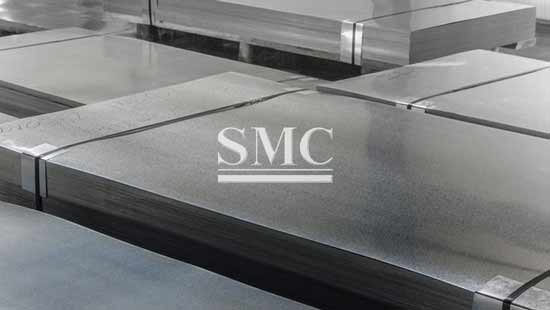
Clad Steel Plate
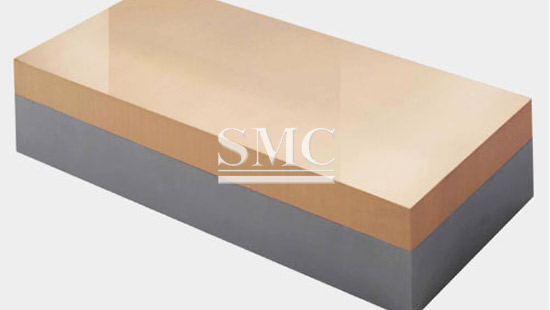
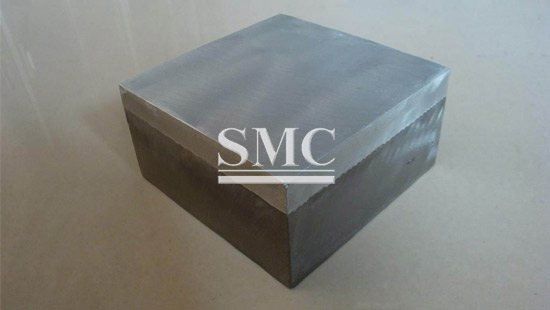
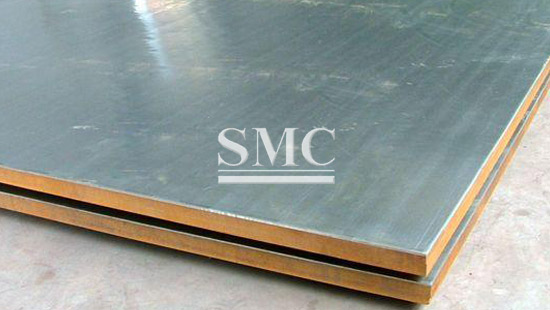
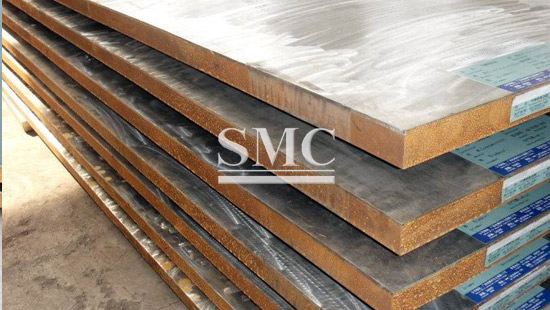


Thickness: 4mm - 200mm
Width: 1000mm - 4000mm
Length: 2000mm - 16000mm
Cladding Material: Stainless Steel, Nickel Alloy, Titanium, Copper
Shanghai Metal Corporation is a leading Clad Steel Plate manufacturer and supplier.
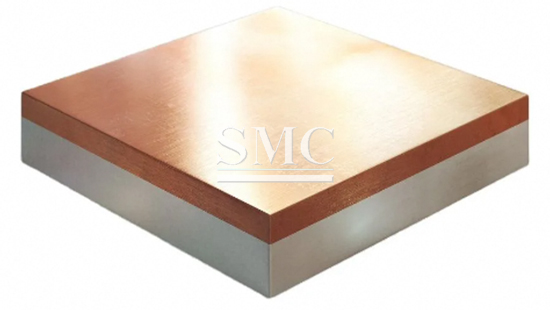
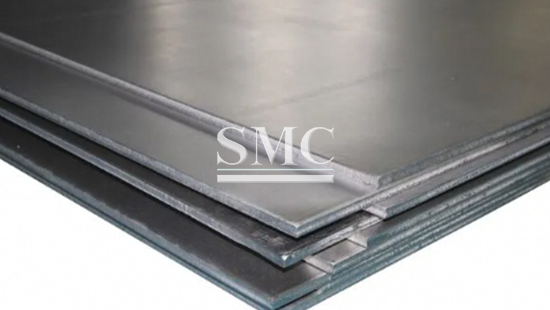
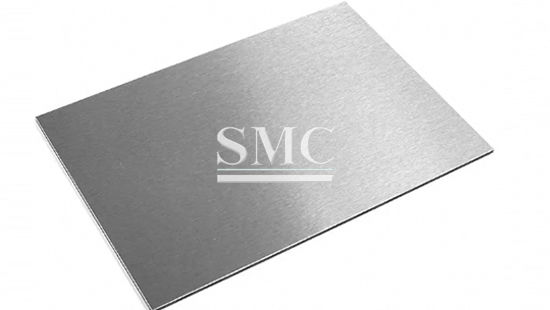
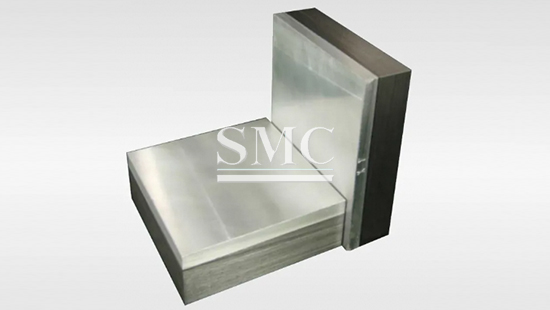
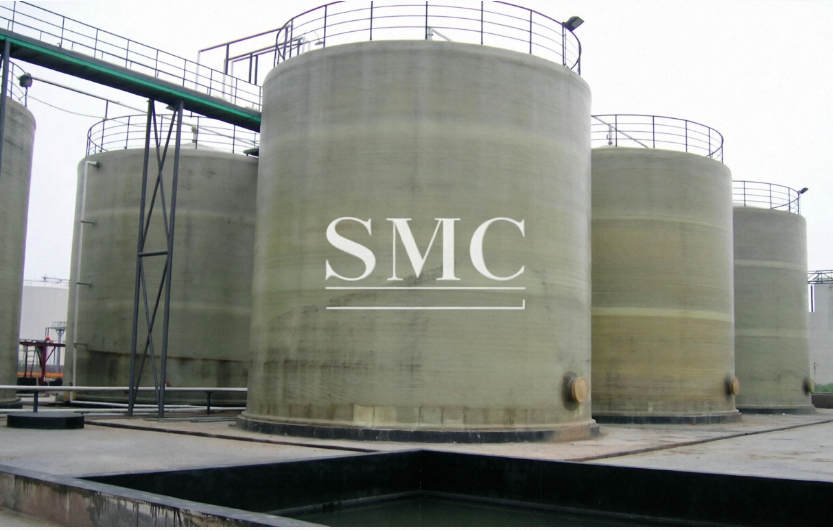
Clad Steel Plate is a composite material manufactured by bonding a corrosion-resistant alloy layer (cladding) to a strong and cost-effective carbon or low-alloy steel base (backing). This product is engineered to solve the critical challenge of material selection in aggressive environments, where solid alloy plates are prohibitively expensive and carbon steel lacks the necessary corrosion resistance. It is widely used in the fabrication of pressure vessels, reactors, heat exchangers, and storage tanks for the chemical, petrochemical, and marine industries, providing an optimal balance of performance, safety, and economy.
If you want to know more about our Galvanized Steel and PPGI or Clad Steel Plate price please feel free to contact us, we will reply you within 24 hours.
-

1.Material Composition: Composed of a carbon steel backing (e.g., Q345R, ASTM A516) for structural strength and a corrosion-resistant cladding layer (e.g., 304/316L stainless steel, titanium, nickel alloy).
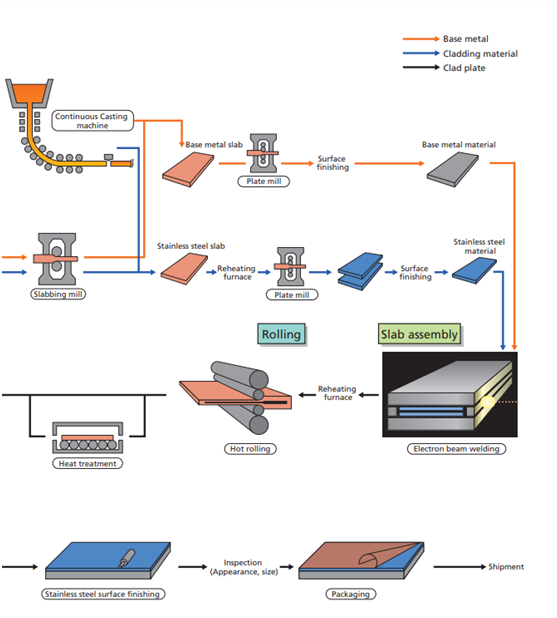
2. Bonding Method: Metallurgically bonded via hot rolling or explosive welding, ensuring the two layers act as one under stress.
3. Cladding Ratio: Cladding thickness typically accounts for 10%–20% of total plate thickness; customizable per application requirements.
4. Grade Combinations: Multiple combinations available, such as S30403/Q345R, N06625/SA516, Titanium Gr2/Q345R, etc.
5. Standards: Manufactured to ASTM A263/A264/A265 and ASME SA263/SA264/SA265 for pressure vessel applications.
-

-
-

1. Cost-Effective
Combines a thin layer of expensive alloy with affordable carbon steel, significantly reducing material costs versus solid alloy plates.
2. Corrosion Resistant
The cladding layer resists acids, alkalis, saltwater, and other corrosive media, ensuring long-term equipment integrity.
3. High Bond Strength
Metallurgical bonding delivers shear strength >200 MPa, preventing delamination under thermal cycling or high pressure.
4.Easy Fabrication
Can be cut, formed, and welded using standard workshop techniques; specialized procedures available for both layers.
5.Design Flexibility
Engineers can independently select optimal materials for cladding (corrosion resistance) and backing (mechanical strength).
-

1. Chemical Reactors & Pressure Vessels
Shells and heads for vessels handling corrosive chemicals at high temperature and pressure. Rec: ASTM A264 Type 3, Class 1.
2. Heat Exchangers & Condensers
Tube sheets and shells in petrochemical and power plant heat exchangers. Rec: Titanium/Q345R or 316L/Q345R.
-

Base Metals:
JIS standards
G3101 Rolled steels for general structure (SS400)
G3106 Rolled steels for welded structure (SM400, 490)
G3103 Carbon Steel and Molybdenum Alloy Steel Plates
for Boilers and Other Pressure Vessels (SB410)
G3115 Steel plates for pressure vessels for intermediate
temperature service (SPV235, 315, 355)
G3118 Carbon steel plates for pressure vessels for intermediate
and moderate temperature service (SGV410, 450, 480)
G4109 Chromium-molybdenum alloy steel plates for boilers
and pressure vessels (SCMV2, 3, 4)
ASTM/ASEM standards
Structural carbon steel plate: A36, A283, SA-36, SA-283, etc.
Pressure vessel use carbon steel plate: A516, A285, SA-516, SA285
Pressure vessel use low-alloy steel plate: A387, SA-387, etc.
Other standards to which JFE currently produces steel plates, such as,
BS, JIS, ASTM, ASME, various ship classification society standards
and JFE specifications, are also applicable.
Cladding materials:
Stainless steels
SUS410L,SUS430,SUS410S,SUS304,
SUS304L,SUS316,SUS316L,SUS317,
SUS317L,SUS321,SUS347
Nickel and nickel alloys
Titanium
|
Property |
Typical Value |
Test Standard |
|
Tensile Strength (Backing Steel) |
≥ 490 MPa |
ASTM A370 |
|
Yield Strength (Backing Steel) |
≥ 345 MPa |
ASTM A370 |
|
Elongation (Backing Steel) |
≥ 21% |
ASTM A370 |
|
Shear Strength (Bond Interface) |
≥ 210 MPa |
ASTM A264 |
|
Bending Test (180°) |
No separation |
ASTM A264 |
Packaging of clad plate:
Standard Packaging
Each Clad Steel Plate is coated with anti-rust oil and wrapped in waterproof plastic film. Plates are stacked and secured with high-tensile steel straps onto fumigated wooden pallets or steel frames. For sea freight, the entire stack is enclosed in a reinforced wooden crate or covered with heavy-duty waterproof tarpaulin to prevent moisture and physical damage during transit.
Shipping
Due to the heavy weight and large dimensions of clad plates, we primarily support FCL (Full Container Load) sea freight and bulk vessel shipping. LCL (Less than Container Load) is available for smaller, cut-to-size orders. Trade terms include EXW, FOB, and CIF. Other terms may be available upon request. Shipping costs are calculated based on gross weight, cargo volume, destination port, and the chosen transportation method.
Lead Time
Standard Grades/Sizes: 25-35 working days
Customized Grades/Sizes: 40-60 working days


Q1: What is the difference between explosion-bonded and hot-rolled clad plates?
A: Explosion bonding uses high-energy shockwaves, making it suitable for thicker plates and wider material combinations (like Titanium/Steel). Hot-rolled cladding uses high heat and pressure, resulting in a smoother surface and lower cost for standard grades like stainless steel.
Q2: How do you weld clad steel plates?
A: Weld the backing steel first using standard carbon steel consumables. Then weld the cladding layer using matching alloy filler metals. Preventing carbon contamination in the cladding weld is critical.
Q3: What is the maximum thickness you can supply?
A: Up to 200mm or more, depending on the material combination. Very thick plates typically use explosion bonding.
Q4: Can you provide ultrasonic testing (UT) reports?
A: Yes. 100% Ultrasonic Testing is standard. We provide detailed UT reports per ASTM A578 or your specific requirements, mapping any unbonded areas.
Q5: What information do you need to provide a quotation?
A: Please provide: 1) Dimensions (cladding thickness, backing thickness, width, length); 2) Material grades for both layers (e.g., 316L/A516 Gr.60); 3) Required standard (e.g., ASTM A264); 4) Quantity; 5) Special testing or edge preparation needs.
Q6: What are the typical applications for Nickel Alloy clad plates?
A: They are used in severe corrosive environments, such as organic acid production (e.g., acetic acid), pharmaceutical intermediates, and Flue Gas Desulfurization (FGD) units requiring high resistance to chlorides and reducing acids.

here
for
price
