
- Company overview The heart of SMC Vision & Philsophy Partnership Certifications Company culture
- Our service Design and Engineering Maintenance and Service Examine Production Line Upgrade and Transformation Storage and Logistics Processing, Trading and Distributor
- Management Our history Global responsibility Info Center
- Procurement center Internship
- Metal Steel Products Stainless Steel Products Aluminum Products Copper Products Galvanized Steel and PPGI Special Alloy Building Material
- Containers ISO Standard Container Equipment Container Storage Container Tank Container Container Fittings Container Trailer Refrigerated/Reefer Container Offshore Container Container House
- Gas Cylinder & Fire Extinguisher Cryogenic Liquid Cylinder Oxygen Gas Cylinder Storage Tank CNG Gas Cylinder LPG Gas Cylinder Hydrogen Gas Cylinder Nitrogen Gas Cylinder Industry Gas Cylinder Fire Extinguisher
- Metal Machinery Motor Forming Machine Cutting Machine Processing Machine Bending Machine Block Machine Spare Parts Other Machinery
- Mechanical Products Conveyor Belt Miscellany Mooring Equipment Laser Equipment Bearing Marine Equipment Vehicle Industry Pressure Vessel
- Electrical System Transformer Production Line Lighting System Power Distribution Automation Electrical Cable Solar Power System Electric Protection System
- Project Plastic Pipes and Pipe Fittings Fiberglass Reinforced Plastic Pontoon System
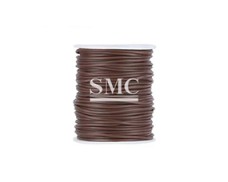
FKM/ FPM Plate
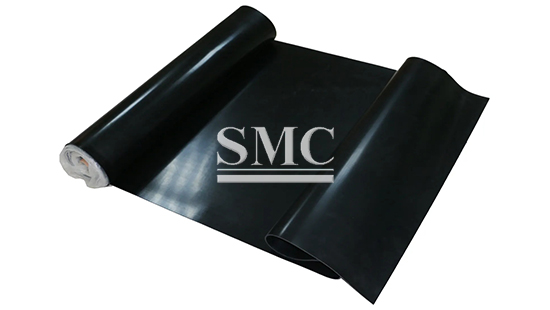
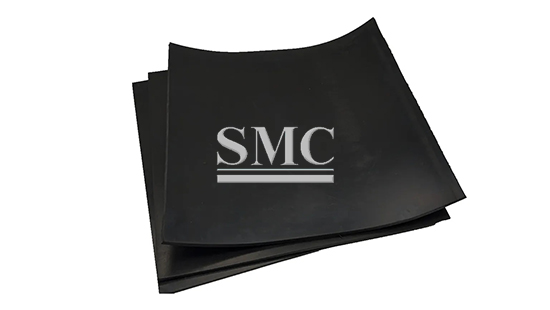
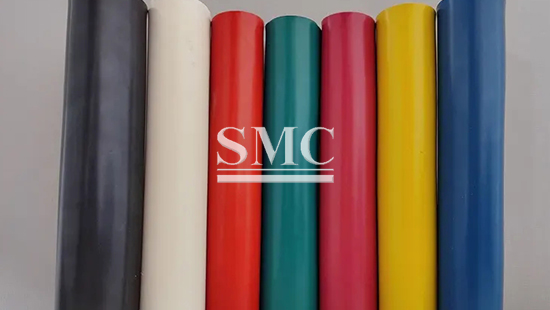
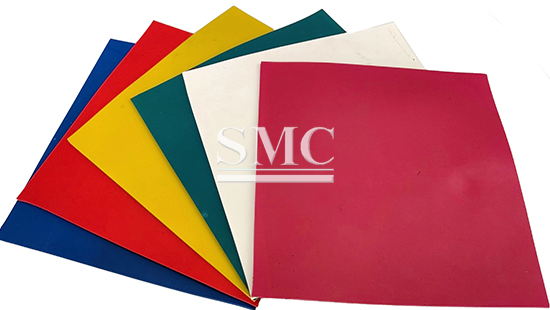
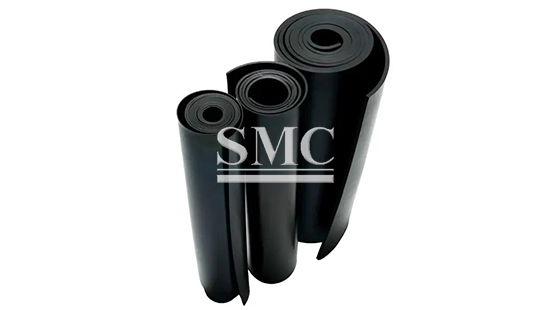
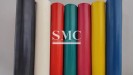
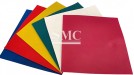
Material: FKM/FPM. Viton
Color: brown, black, green, gray(90%)
Temperature resistance: -26℃~+232℃
Shanghai Metal Corporation is a leading FKM/FPM Plate manufacturer and supplier.
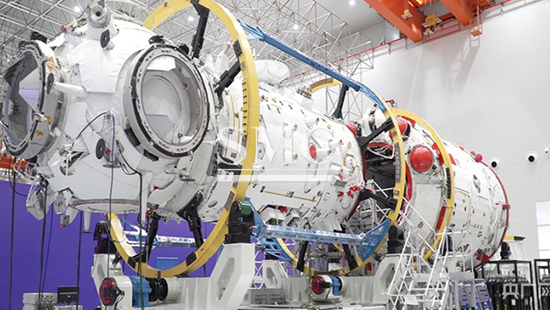
FKM(Fluorocarbon Rubber)/FPM(Fluorinated Polymer Material) has the best combination property among organic polymer materials. Its thermal decomposition temperature will usually be over 300℃. FKM/FPM has good airtightness and flame retardancy, very low gas permeability vacuum applicability, for the aerospace industry.

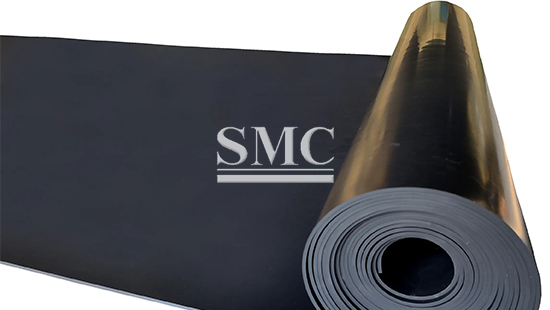

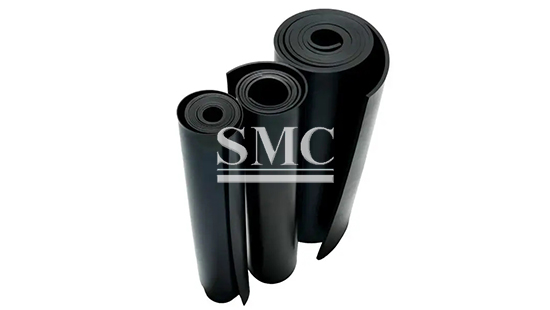


Packaging of FKM/FPM Plate
Shanghai Metal Products are packed and labeled according to the regulations and customer's requests. Great care is taken to avoid any damage which might be caused during storage or transportation. In addition, clear labels are tagged on the outside of the packages for easy identification of the product I. D. and quality information.
1) Shanghai Metal Standard
2) Customization
Q1.What information do you need for a custom quotation?
A: Please send grade, fluorine type, hardness, thickness, width, length or cut shape, quantity, target fluid, working temperature and destination port for shipping estimation.
Q2.What is the MOQ and production lead time?
A: MOQ depends on grade and size. Stocked specifications are available in small lots. Lead time is 15 to 25 working days for standard orders and 25 to 40 working days for customized orders.
Q3.How long does sample preparation take?
A: Ready stock samples are sent within 3 working days. Cut samples or compound matched samples take 5 to 7 working days.
Q4.What factors should I consider when choosing FKM/FPM Plate?
A: Consider the fluid in contact, continuous and peak temperature, working pressure, required hardness, bolt load on the joint and the lowest ambient temperature in cold season service.
Q5.What is the difference between Type A, Type B and Type F FKM?
A: Type A has about 66% fluorine for general oil and fuel service. Type B has about 68% fluorine for wider chemical resistance. Type F has about 70% fluorine for aggressive acids, solvents and blended fuels. Higher fluorine content usually means broader chemical resistance but lower low temperature flexibility.
here
for
price
